Changes of all kinds can have a profound effect on us, both in terms of our wellbeing and performance. David Murphy has worked therapeutically with people, including front-line professionals, for over 20 years, helping them to change, and adapt to change. David talks to Steven Shorrock about dealing with traumatic events and more mundane changes.
Category: mental health
Since I starting blogging, I have written posts on a range of topics concerning work…
This short post concerns a specific metaphor that those affected by trauma may find helpful.…
In my previous post on the Helping Octagon, I outlined eight roles relevant to helping…
It seems like everyone is talking about mental health. This is most obvious in the…
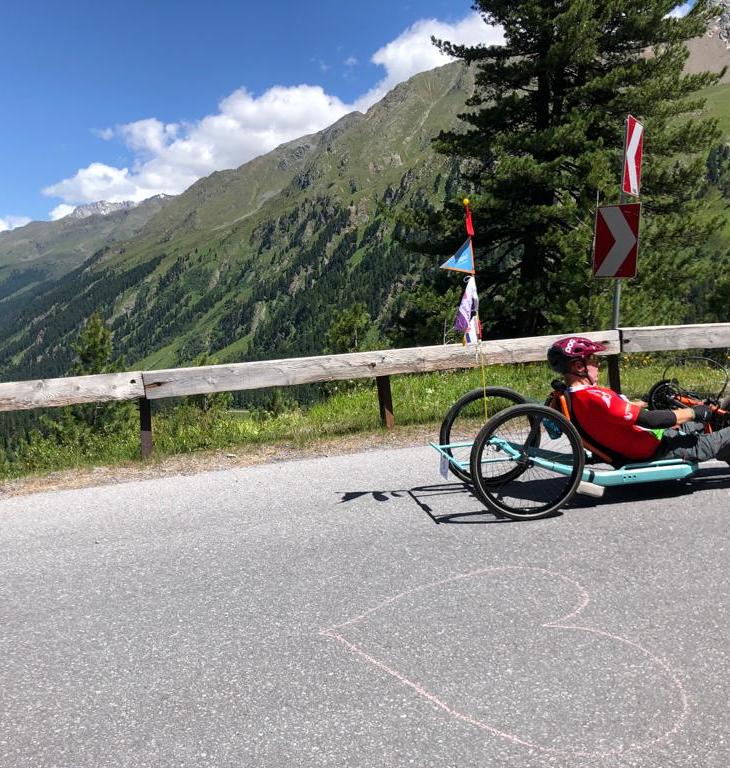
Some people can identify a day where everything changed in a way that was previously unimaginable. For Dennie Coumans, this day came at the end of December 2017. What happened totally reshaped his life.
On the centenary of air traffic control, and the International day of the air traffic controller, I offer five suggestions that have emerged from my experience of working with air traffic controllers over 25 years of practice as a psychologist.
When stressful or traumatic life events come along, we all respond in different ways. One of these may seem counter-intuitive, that we can thrive and flourish following adversity. In this article, Stephen Joseph introduces the psychology of post-traumatic growth, with Steven Shorrock.
While we sometimes talk about the ‘new normal’, the only thing that is normal is change. So how might we navigate the new reality? The following five practices are important in adjusting and adapting and are supported by research on resilience and growth.
Everyday work in aviation COVID-19 pandemic has been affected almost beyond recognition, and with it how we feel about work and the future. So what might we learn about work from the perspectives of two front-line professions: air traffic controllers and professional pilots?