Understanding and intervention for system performance and human wellbeing is rooted – to some extent – in four kinds of thinking. In this short series, I outline these. This post concerns Systems Thinking.


Understanding and intervention for system performance and human wellbeing is rooted – to some extent – in four kinds of thinking. In this short series, I outline these. This post concerns Systems Thinking.

“Safety is our number 1 priority!” But is it really?

“When you put a limit on a measure, if that measure relates to efficiency, the limit will be used as a target.”
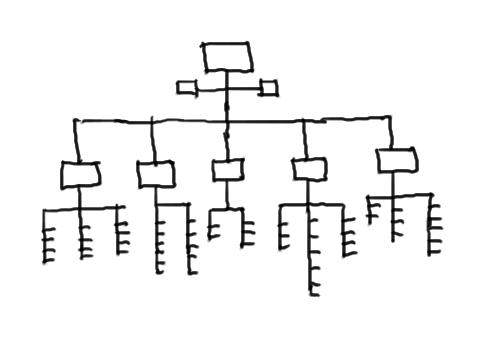
In this post, I outline four common homes for HF/E within organisations, drawing on personal experience in each of the four organisational divisions in different organisations. I conclude with some of the implications of organisational homelessness.

In this short series, I highlight seven foes and seven friends of system safety, both for explanation and intervention. Each is a concept, meme, or device used in thinking, language, and intervention (reinforced by more fundamental foes that act as barriers to thinking). They are not the only foes or friends, of course, but they are significant ones that either crop up regularly in discussions and writings about safety, or else – in the case of friends – should do. In this post, I outline seven friends of intervention.

In this short series, I highlight seven foes and seven friends of system safety, both…

In this short series, I highlight seven foes and seven friends of system safety, both for explanation and intervention. Each is a concept, meme, or device used in thinking, language, and intervention (reinforced by more fundamental foes that act as barriers to thinking). They are not the only foes or friends, of course, but they are significant ones that either crop up regularly in discussions and writings about safety, or else – in the case of friends – should do.
In this post, I outline seven foes of intervention.

In this short series, I will highlight seven foes and seven friends of system safety, both for explanation and intervention. Each is a concept, meme, or device used in thinking, language, and intervention (reinforced by more fundamental foes that act as barriers to thinking). They are not the only foes or friends, of course, but they are significant ones that either crop up regularly in discussions and writings about safety, or else – in the case of friends – should do.
Learning Teams, Learning from Communities
In this article, I refer to some of the ideas and writings of asset-based community development to reflect on Learning Teams in health and safety, and small group conversations and action more generally in organisations. I highlight four lessons from ABCD for learning teams and host organisations.
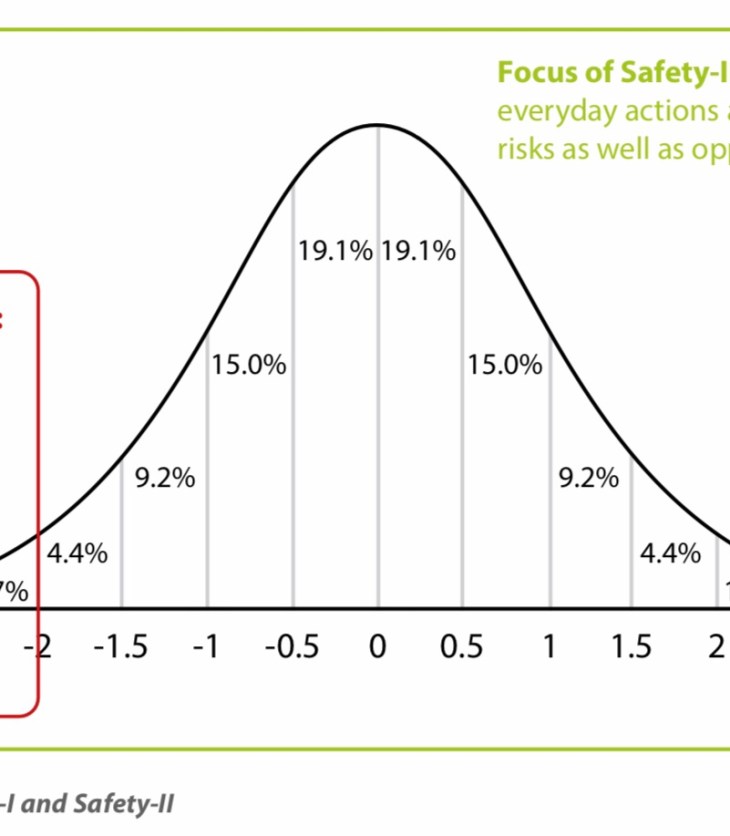
Safety-II has become a talking point. It is discussed not only among safety professionals, but – perhaps more importantly – among front line practitioners, managers, board members and regulators in a wide array of industries. But what is the real focus of Safety-II?
 Humanistic Systems