It was always going to happen. The wrong Best Picture winner was read out live on…


It was always going to happen. The wrong Best Picture winner was read out live on…
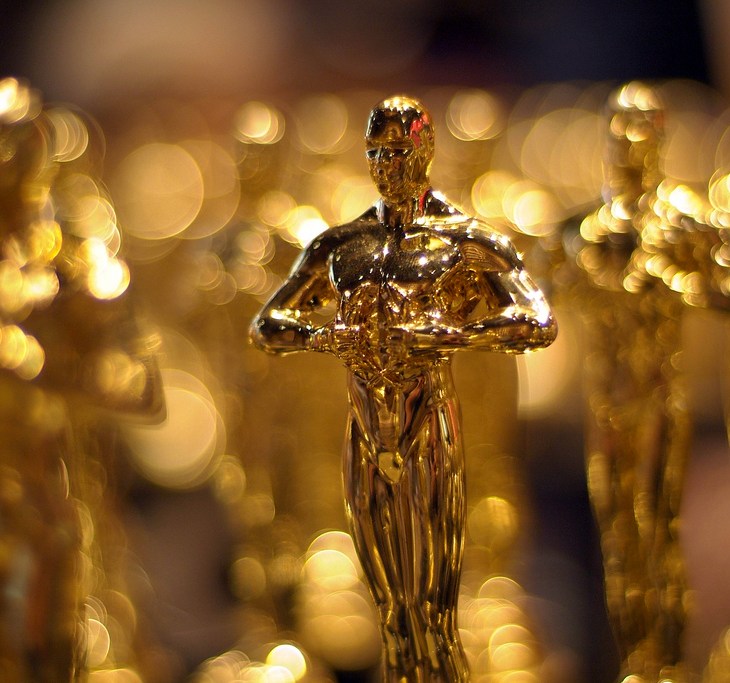
It has variously been described as “an incredible and almost unbelievable gaffe” (Radio Times), “the greatest mistake in Academy Awards history” (Telegraph), “an extraordinary blunder…an unprecedented error” (ITV News), “the most spectacular blunder in the history of the starry ceremony” and “the most awkward, embarrassing Oscar moment of all time: an extraordinary failure” (Guardian). It was, of course, the Grand Finale of the Oscars 2017.

Written and directed by Matthew Wilkinson. A thrilling modern tragedy about a Russian architect driven…

There has been much talk in recent years about ‘never events’ and ‘zero harm’, similar to talk in the safety community about ‘zero accidents’. It sounds obvious: no one would want an accident. And we all wish that serious harm would not result from accidents. But as expressed and implemented top-down, never/zero is problematic for many reasons. In this post, I shall outline just a few, as I see them.

Again, a familiar smoke pattern has emerged from the ashes of a high-profile accident. The…

If you work in an industry such as transportation or healthcare – where human involvement is…
Following most major accidents, one phrase is almost guaranteed to headline in the popular press:…

Despite the pervasive and controversial nature of the notion of ‘human error’ in academia, industry…
This is a keynote address from Velocity Europe 2014 in Barcelona on 17 November. I…
Occupational Overuse Syndrome – Human Error Variant (OOS-HEV) is a condition involving the overuse of the…